
+
wechat number:13390822180
Executive provider of glass
deep processing solutions
ESOS Helpline
86-512-52429311

You Are Here:Home > News Center
> Industry Dynamics
News navigation
Recommended news
Recommended products
What are the material characteristics of home glass
source:www.mingyangglass.com | Release time:2026-01-21
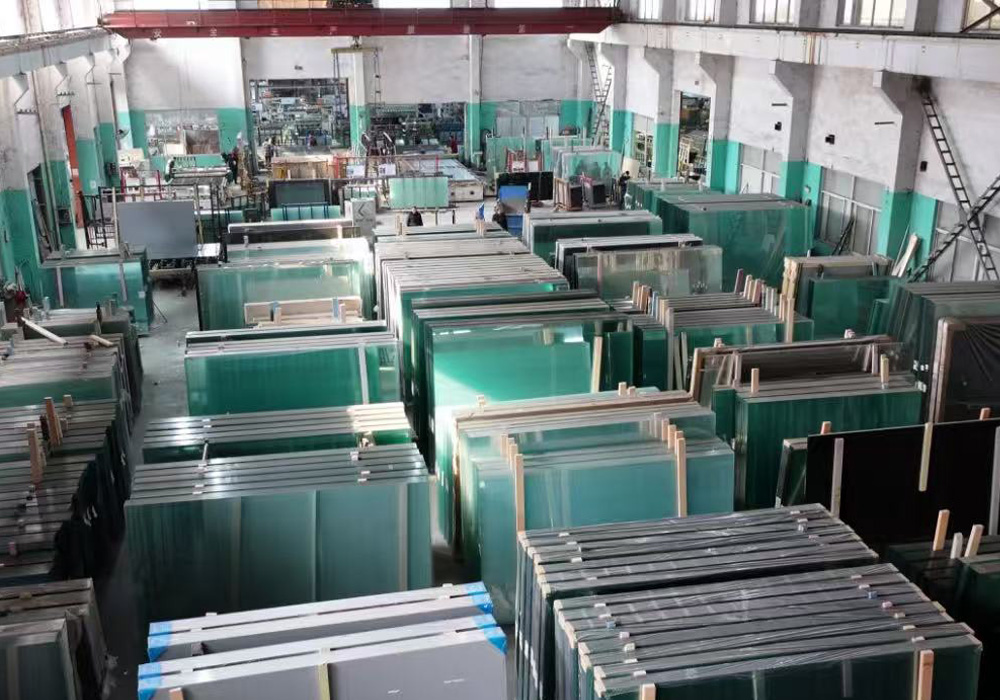
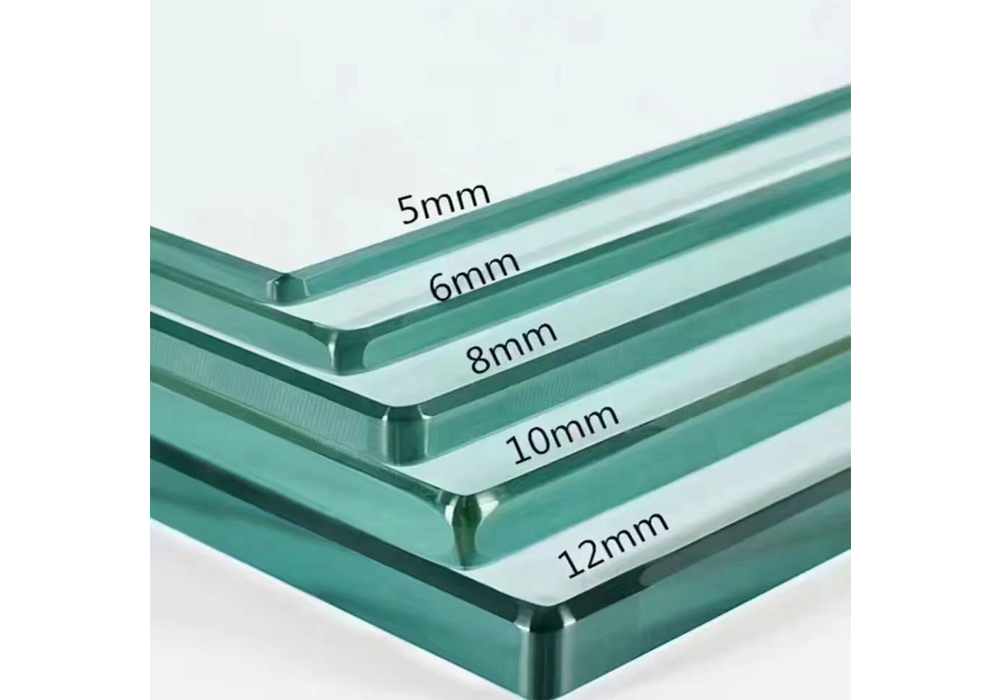
Home glass is a commonly used functional material in home decoration and home products. Its material characteristics revolve around three core aspects: safety, functionality, and aesthetics. Different types of home glass also have differentiated characteristics, as follows:
1. Stable basic material properties
Mainly made from quartz sand, soda ash and other raw materials melted at high temperature, with stable chemical properties, acid and alkali corrosion resistance, and not easily corroded by detergents during daily cleaning; Smooth and dense surface, does not absorb dust or oil stains, easy to maintain; At the same time, it has good transparency, which can improve the lighting rate of the space and make the home environment brighter and more transparent.
2. Security upgrade, impact resistance and splash prevention
Ordinary glass is fragile and has sharp fragments, while tempered glass commonly used in homes, after special quenching treatment, has an impact strength 3-5 times that of ordinary glass. After crushing, it will form small particles with blunt angles without edges, reducing the risk of scratches; Laminated glass is made by sandwiching PVB film between two layers of glass. After being impacted and broken, the fragments will adhere to the film without splashing. It is widely used in high safety scenarios such as doors, windows, and sunrooms.
3. Rich functionality, adaptable to diverse needs
Having diversified customization functions to meet different home scenarios: frosted/Changhong glass reduces light transmittance through surface treatment, achieving a combination of privacy protection and hazy beauty; Low-E glass (low emissivity glass) can reflect infrared radiation, reduce indoor and outdoor heat transfer, and has both insulation and thermal insulation effects, helping to save energy and reduce consumption; Coated glass can protect against ultraviolet rays and prevent furniture and flooring from fading and aging due to exposure to sunlight; Hollow glass is composed of two or more layers of glass, filled with dry gas in the middle. It has excellent sound and heat insulation properties and is suitable for living environments with high noise levels.
4. Strong plasticity, balancing aesthetics and practicality
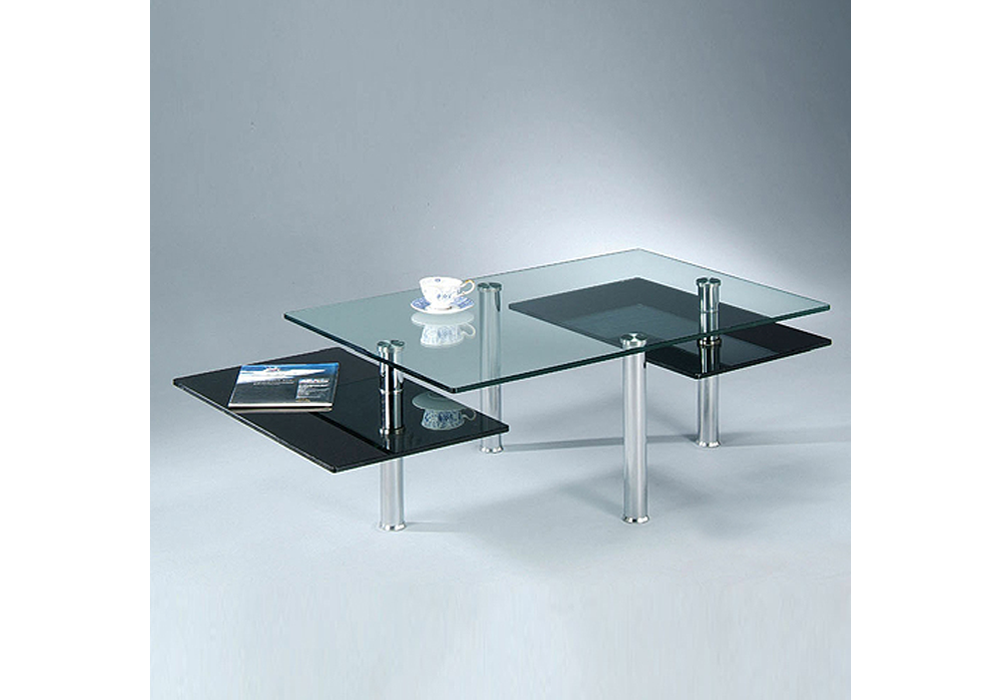
It can be processed into different sizes, shapes, and patterns through cutting, polishing, carving, painting, and other techniques, suitable for various home styles, such as artistic glass screens, glass background walls, etc., to enhance spatial decoration; At the same time, it can be used in combination with materials such as metal and wood to create diverse home products, such as glass dining tables and glass cabinet doors.
5. Some categories have heat resistance
For high-temperature scenarios such as kitchens, heat-resistant glass (such as borosilicate glass) has a low coefficient of thermal expansion and can withstand sudden cooling and heating. It is not easy to explode due to large temperature differences and can be used to make glass tableware, oven glass doors, etc., meeting the needs of use in high-temperature environments.
1. Stable basic material properties
Mainly made from quartz sand, soda ash and other raw materials melted at high temperature, with stable chemical properties, acid and alkali corrosion resistance, and not easily corroded by detergents during daily cleaning; Smooth and dense surface, does not absorb dust or oil stains, easy to maintain; At the same time, it has good transparency, which can improve the lighting rate of the space and make the home environment brighter and more transparent.
2. Security upgrade, impact resistance and splash prevention
Ordinary glass is fragile and has sharp fragments, while tempered glass commonly used in homes, after special quenching treatment, has an impact strength 3-5 times that of ordinary glass. After crushing, it will form small particles with blunt angles without edges, reducing the risk of scratches; Laminated glass is made by sandwiching PVB film between two layers of glass. After being impacted and broken, the fragments will adhere to the film without splashing. It is widely used in high safety scenarios such as doors, windows, and sunrooms.
3. Rich functionality, adaptable to diverse needs
Having diversified customization functions to meet different home scenarios: frosted/Changhong glass reduces light transmittance through surface treatment, achieving a combination of privacy protection and hazy beauty; Low-E glass (low emissivity glass) can reflect infrared radiation, reduce indoor and outdoor heat transfer, and has both insulation and thermal insulation effects, helping to save energy and reduce consumption; Coated glass can protect against ultraviolet rays and prevent furniture and flooring from fading and aging due to exposure to sunlight; Hollow glass is composed of two or more layers of glass, filled with dry gas in the middle. It has excellent sound and heat insulation properties and is suitable for living environments with high noise levels.
4. Strong plasticity, balancing aesthetics and practicality
It can be processed into different sizes, shapes, and patterns through cutting, polishing, carving, painting, and other techniques, suitable for various home styles, such as artistic glass screens, glass background walls, etc., to enhance spatial decoration; At the same time, it can be used in combination with materials such as metal and wood to create diverse home products, such as glass dining tables and glass cabinet doors.
5. Some categories have heat resistance
For high-temperature scenarios such as kitchens, heat-resistant glass (such as borosilicate glass) has a low coefficient of thermal expansion and can withstand sudden cooling and heating. It is not easy to explode due to large temperature differences and can be used to make glass tableware, oven glass doors, etc., meeting the needs of use in high-temperature environments.
Previous:
What are the main advantages of frosted glass
Next:
What are the applications of hot bending glass in…
【Related Products】

- Changshu Mingyang Glass Products Co., Ltd. Phone:86-512-52429311 Company address: Shanghu Town Development Zone, Changshu, Jiangsu, China
- Copyright © 2025 Changshu Mingyang Glass Products Co., Ltd. www.mingyangglass.com 苏ICP备10225663号-1 Technical Support:Lange Chain Enterprise
 home
home
 WeChat
 telephone